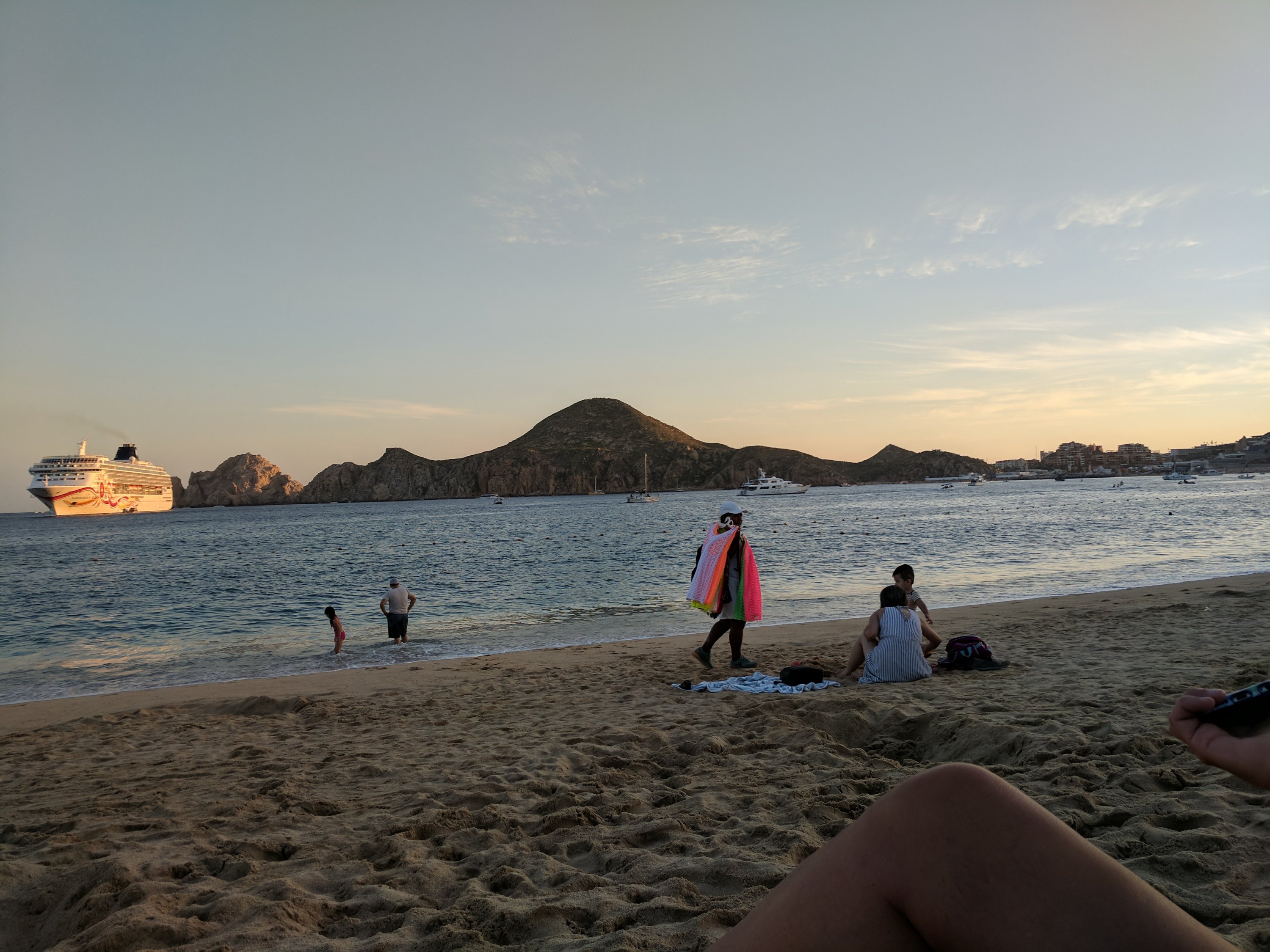
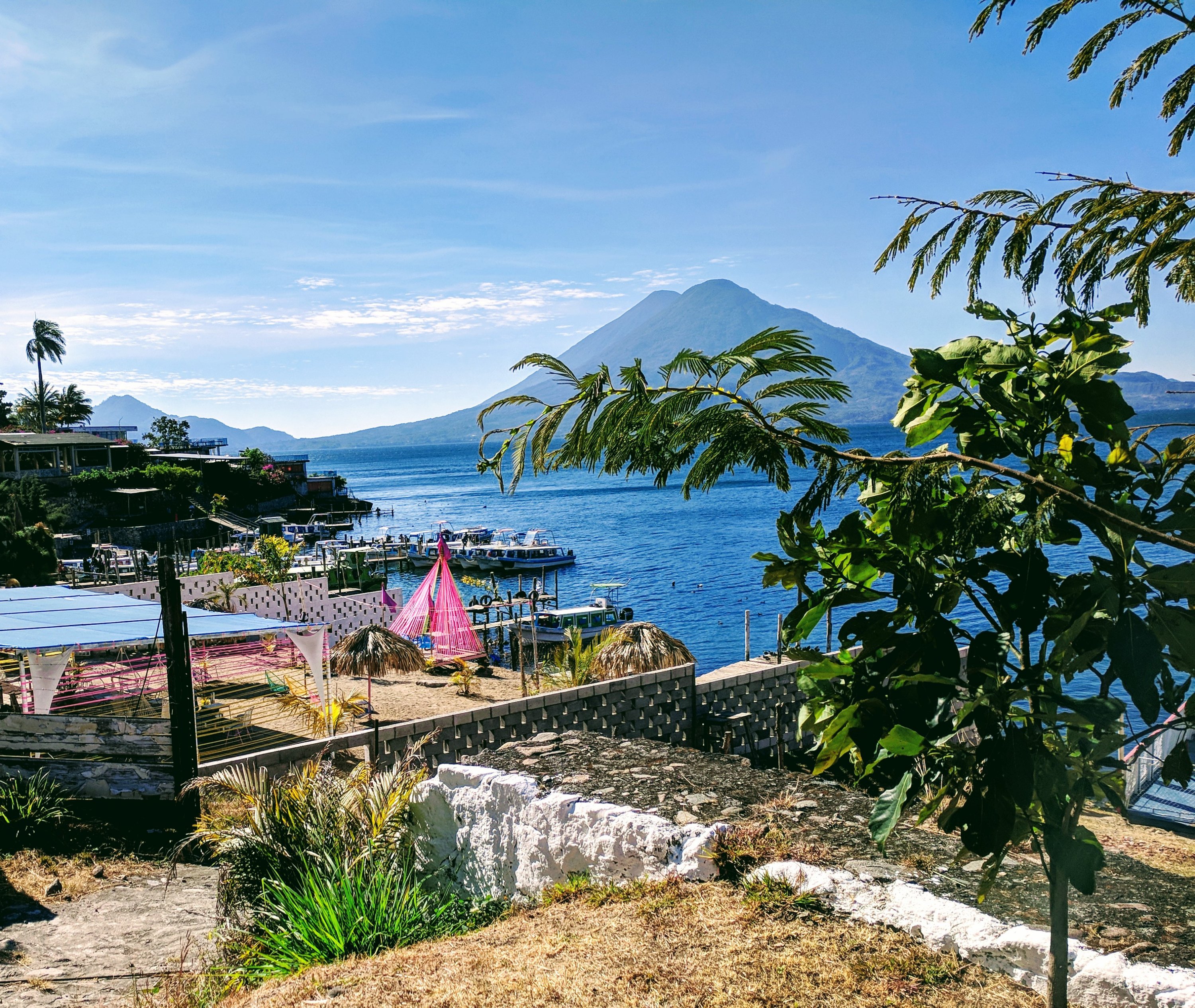
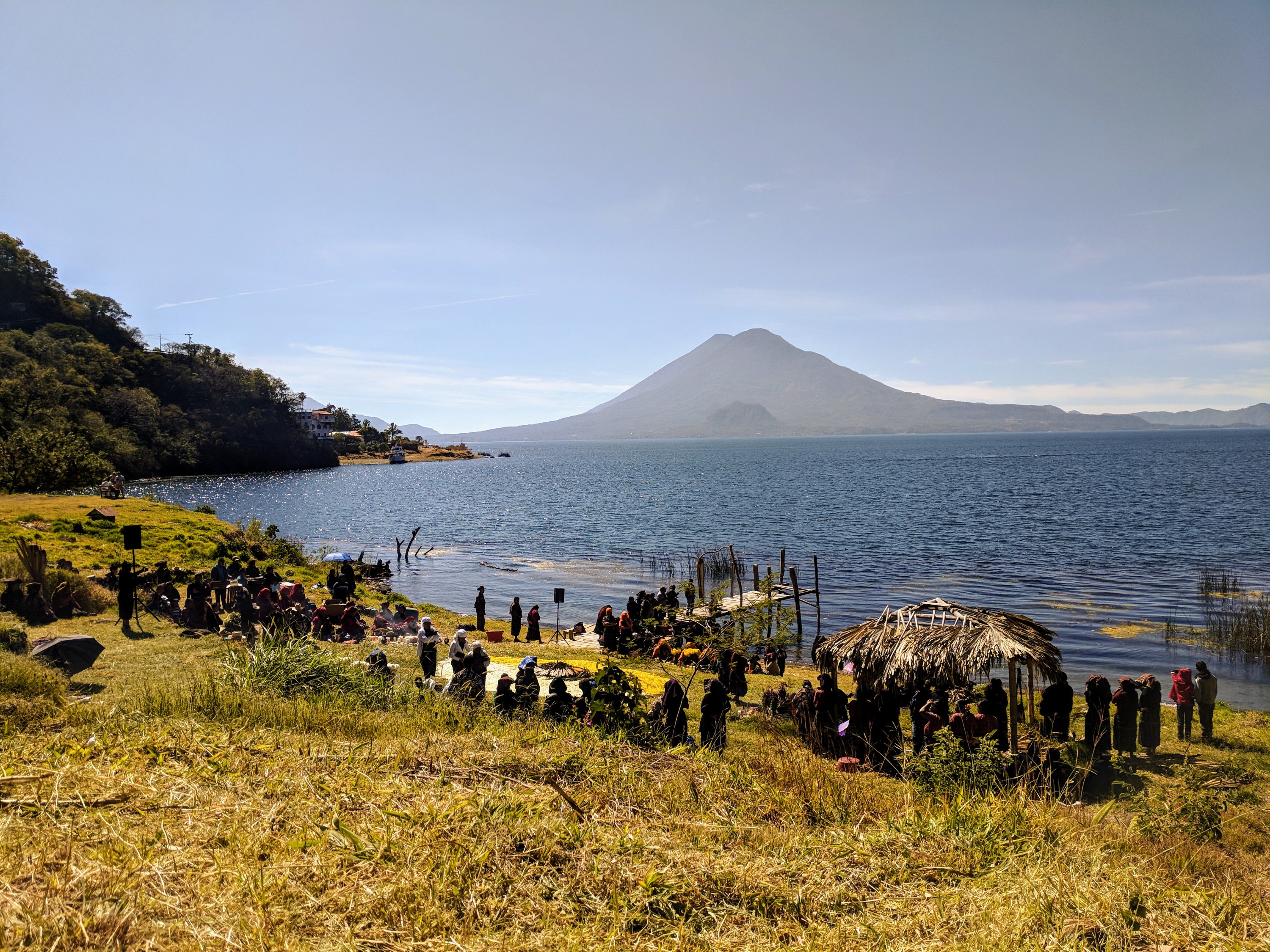
The community of San Pablo is a few hundred meters above the lake . There are no tourists whatsoever and its Mayan life,very similar to as it was for the last few hundred years. Down to San Marco at the lake (Atitlan) , a 10 minute tuctuc ride from San Pablo, the town is owned by expats and tourists, filled with healthfood stores and yoga studios. We love the European bread we can buy here and we found a great restaurant in San Marco , best Guate-French food at the lake. And the Tourists and Expats help attract money to the lake communities .
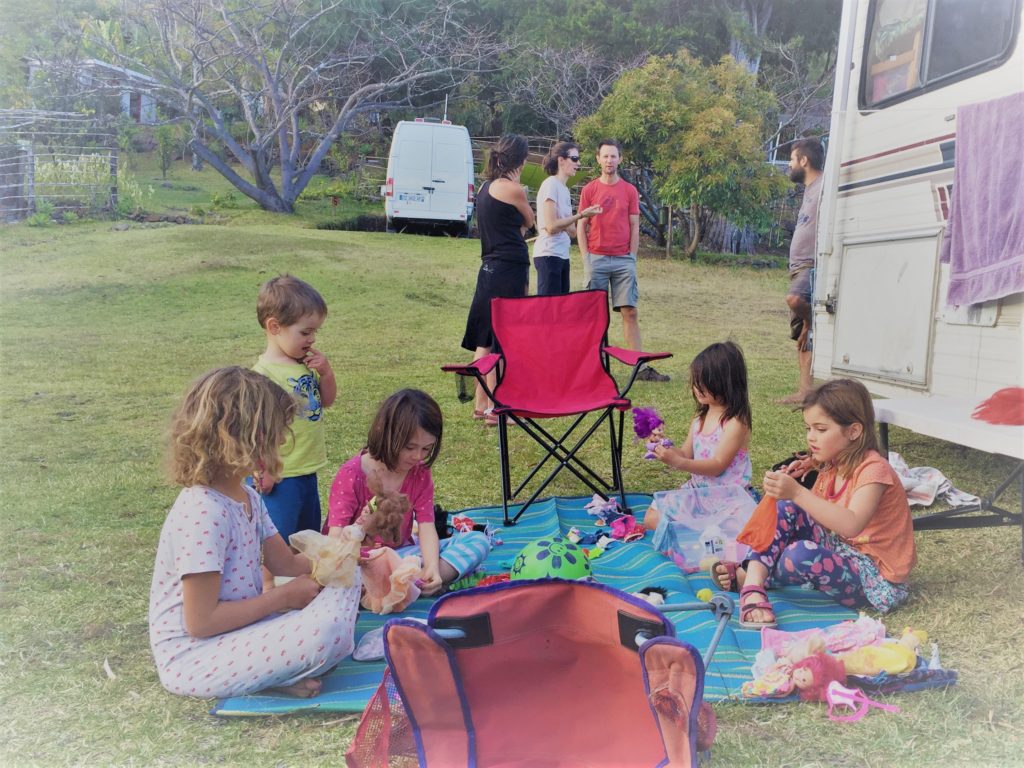
Our campground is just outside San Marco , a beautiful spot above the lake. An adventurous Frenchmen , Pierre , built Pasaj cap cottages and campground on his steep but prime located property. We find community and friends there, the daily happy hour at the communal table brings together cottage dwellers and overlanders. Next to us is a lively kindergarten developing with a Canadian family and some friends with a daughter we have met a few times before , in Belize.
But for 2 weeks we are volunteering in San Pablo at the Guatemalan Housing Alliance and get a prime view into the mayan life and culture. We are working with the most poorly housed families and build new floors, new roofs and new houses. This small, but focused organization doing great work and we love to work with our project manager Patricia and builder Jorge. Here is why we recommend donating and volunteering for this organization :
-
- 100 % of donation goes to building or scholarships ( admin overhead is payed by a foundation )
-
- Families have to contribute before they get something (help 2 other houses get build , pay 25% of roof or floor cost)
-
- Patricia, the director, is super flexible and accommodates any type of help and schedule
-
- Houses are built only if the title of the property is in the womens name ( prevents the common case of husbands finding new girlfriends and sending former women and kids to the street)
- The combination of a monetary donation and volunteering made sense to us, to be able to acquire building materials and pay the construction foreman in addition to lending a hand
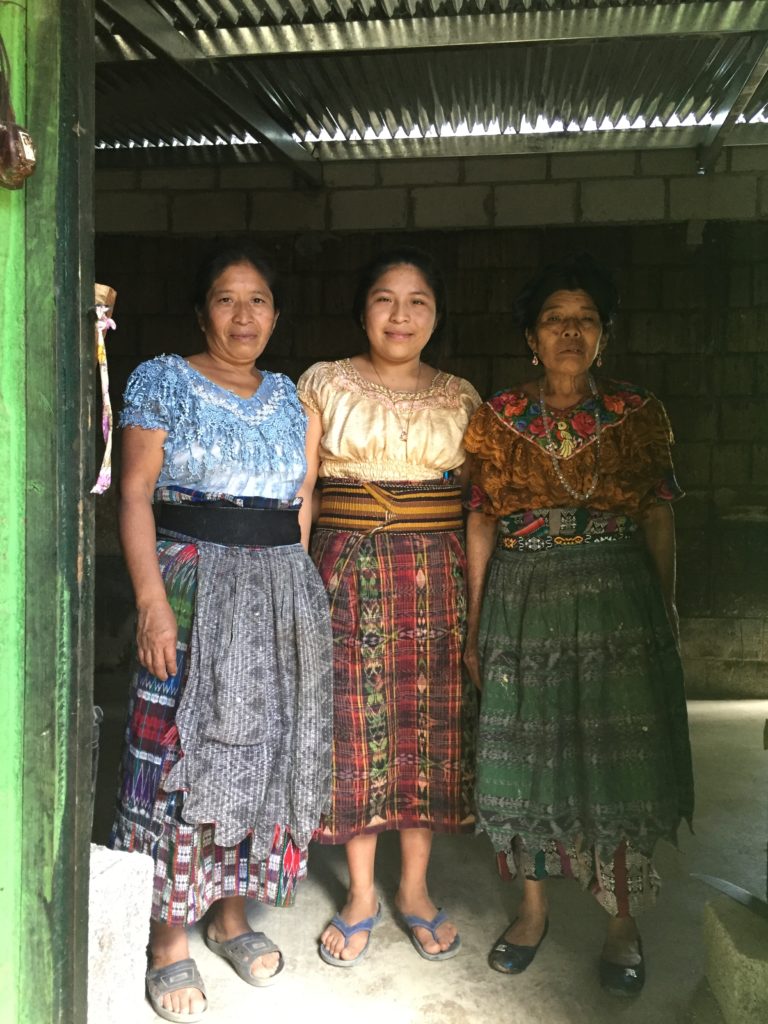
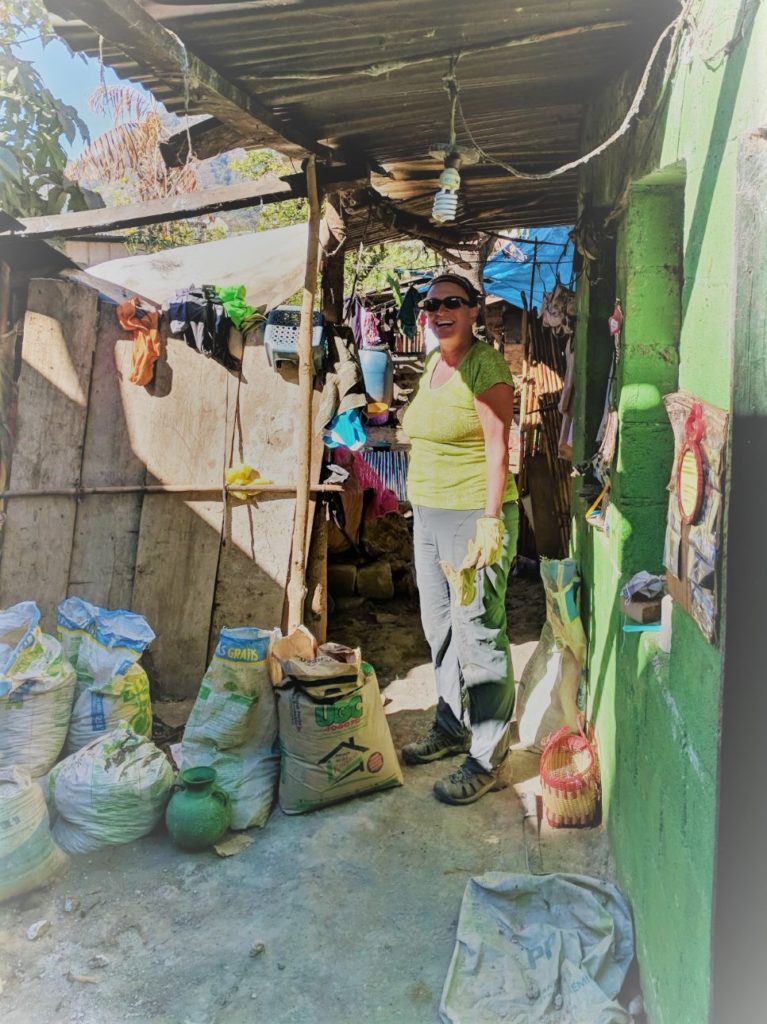
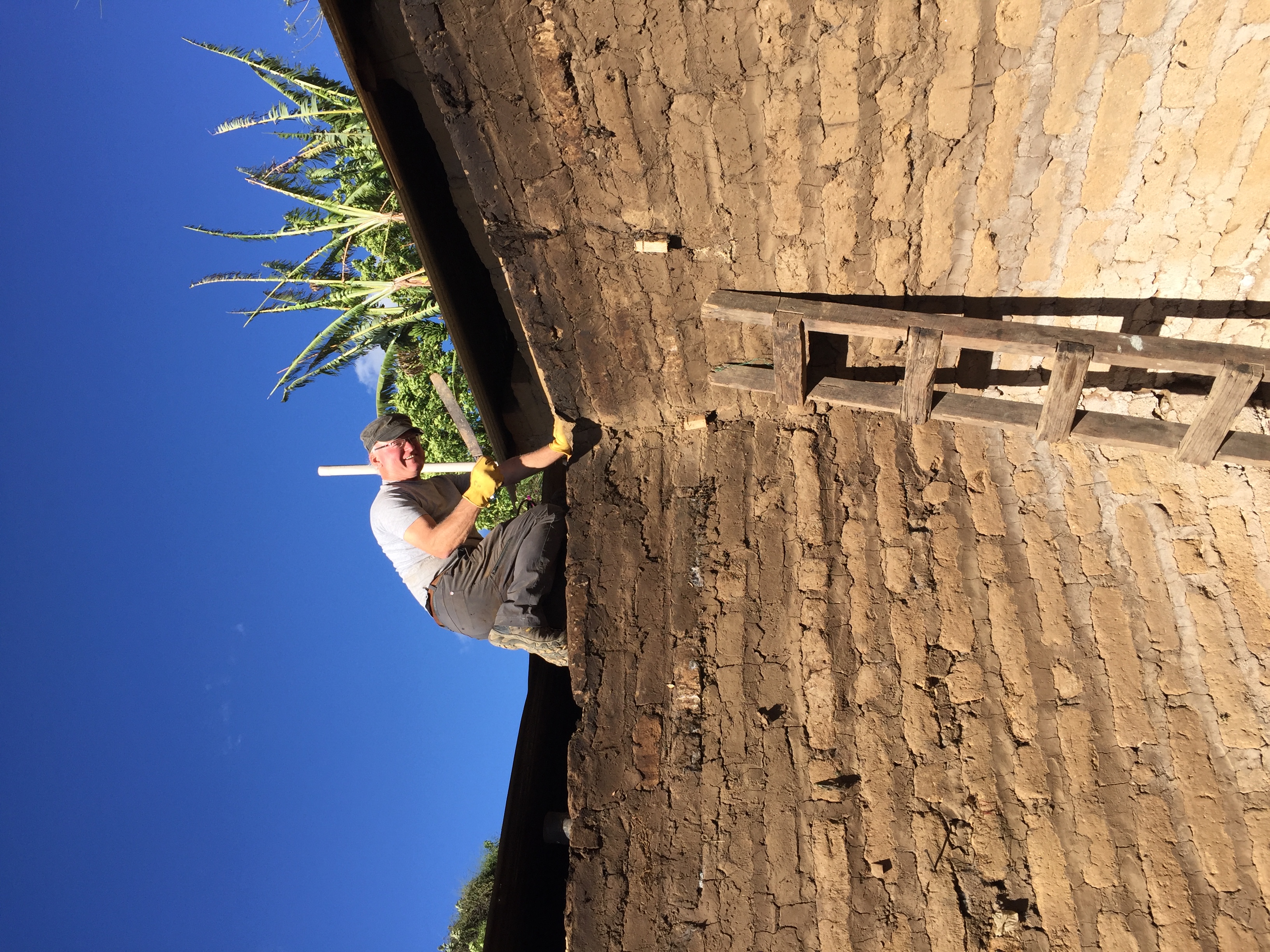
This opened our eyes to both ,the strong and proud community the Mayan pueblos enjoy and the dire poverty most of them live in. When Susanne asked what they need most , we instantly got a list from rice, corn,sugar, coffee and medical supplies. It becomes clear why even a minimum wage worker in the US is rich compared to the salaries payed here in Guatemala. Living on a few US dollars a day is not enough to sustain a family.
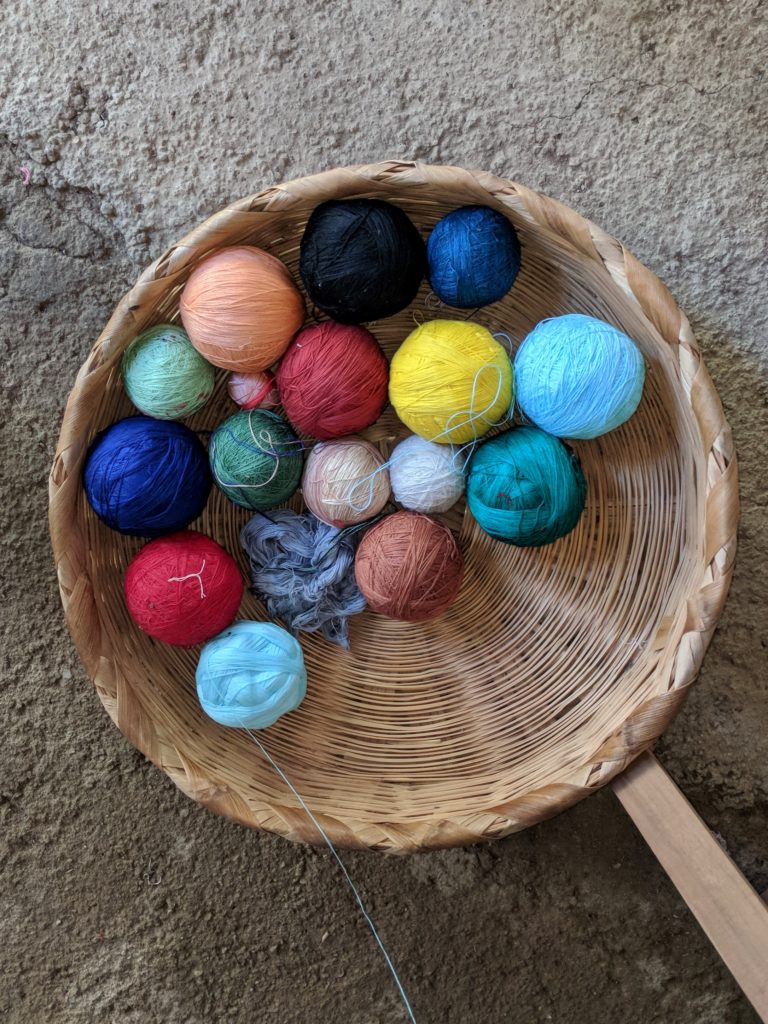
But as a tourist its also important to support the local crafts . The weaving collective in the next village ,San Juan , has a nice program demonstrating the dying and spinning of the wool and weaving of traditional cloth . I always feel bad if tourists brag with how low they negotiated the prices down at the market…. Its not fair to pay barely 10 dollars for beautiful hand made blankets and clothes, which take month to make. The collective has fixed prices in their crafts store and they are still very affordable.
The traditional dying techniques are especially fascinating and I feel I now can always recognize the beautiful natural colors from the blaring colored stuff from China.
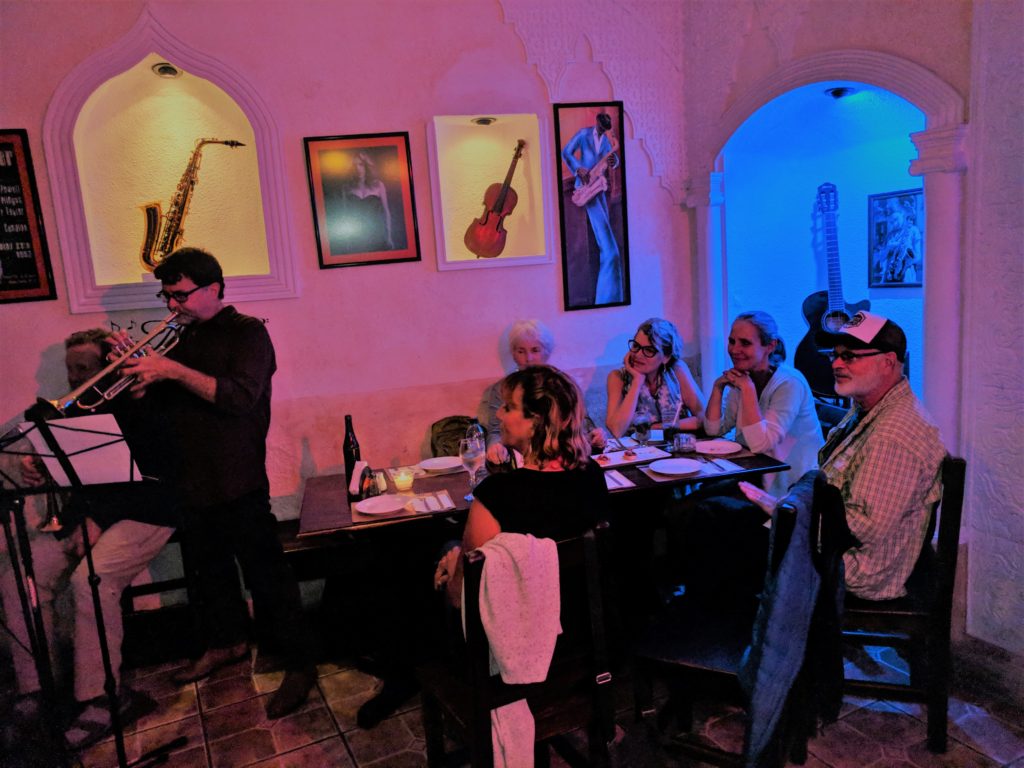
Lake Atitlan is an amazing environment, not sure how to describe it , but we get tightly wrapped in its magic. Some of our Pasaj Cap community, we meet again in Antigua , where Norm is playing his cornet (trumpet ) in a local jazz club. Cheers to new, old and indigenous communities.
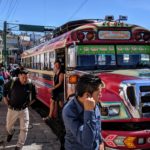
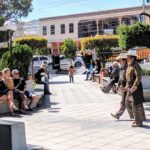
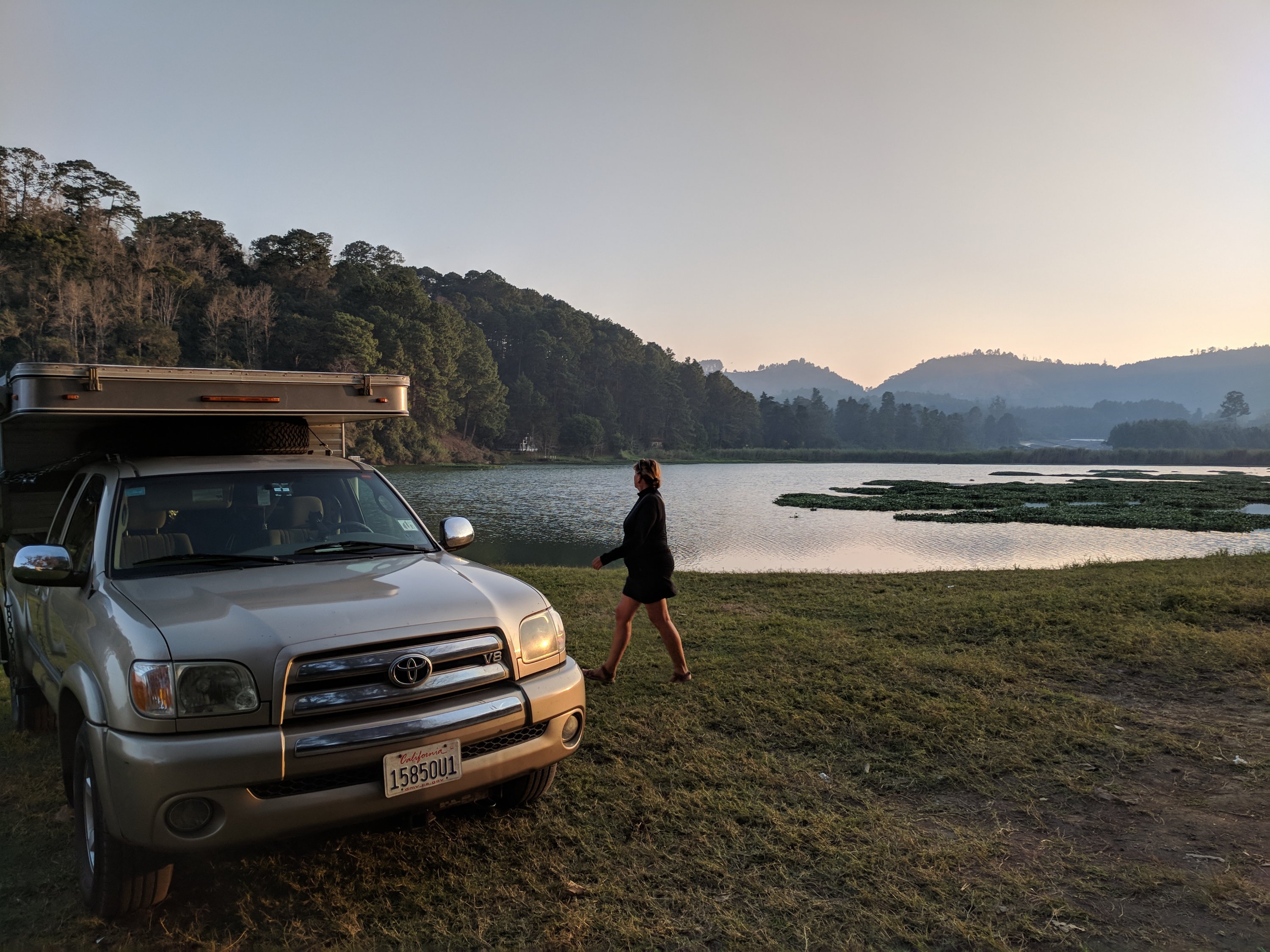 When I opened the Velcro window I see a cow walking close by and feel relieved. While people are mostly friendly and welcoming , I do feel a bit on the edge,if we are not sleeping in a secured parking area. The difference between rich and poor is just so extreme here that the historical social unrest seems deeply embedded in Guatemala.Just that evening we talked to Udo from Germany who drove by in his Porsche with his wife ,originally from San Christobal where they still own a hotel. In Coban we walked through the glizzy mall ,just like in the bay area. While 10 minutes outside town , Mayan families live of a few dollars a day . Women with water, vegetable bags or laundry walk alongside the steep roads. Man and boys walk with large bundles of wood on the back and a rope arround the forehead to help with the head to balance the heavy load. The veggies, live chickens and fruit,needs to be brought to the village on market days,and small pickups are filled with people and goods.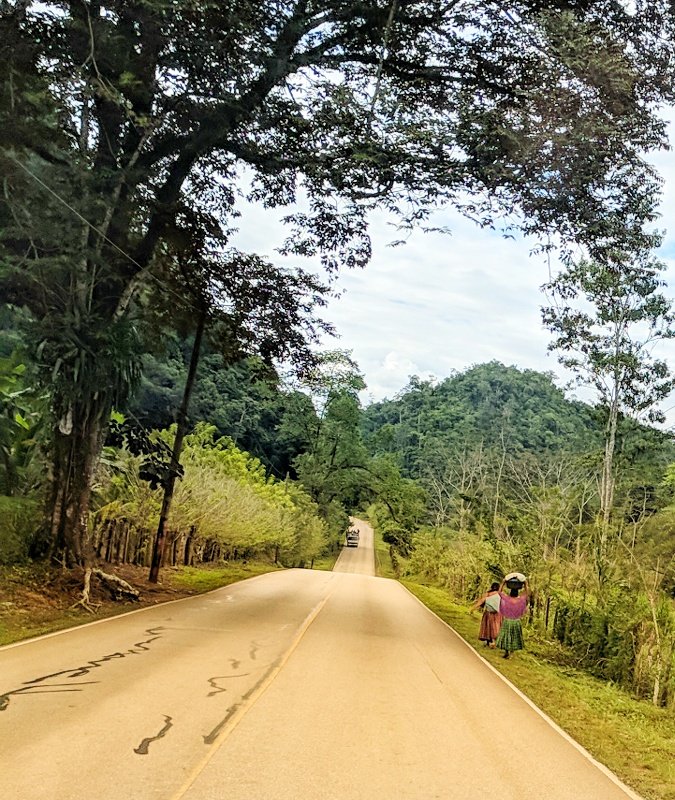
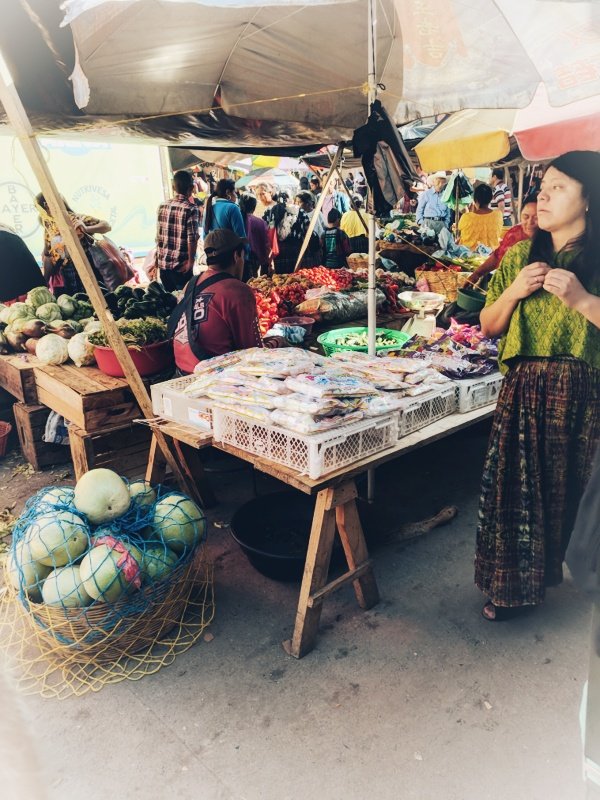 The major highways we have been driving suddenly loose pavement, stop at a river to use a ferry or had been washed away in last rains and must be surrounded offroad. Our first week in Guatemala we had spent at lake Peten Itza (in Flores and El Remate ) and Tikal, the impressive Mayan city in the jungle.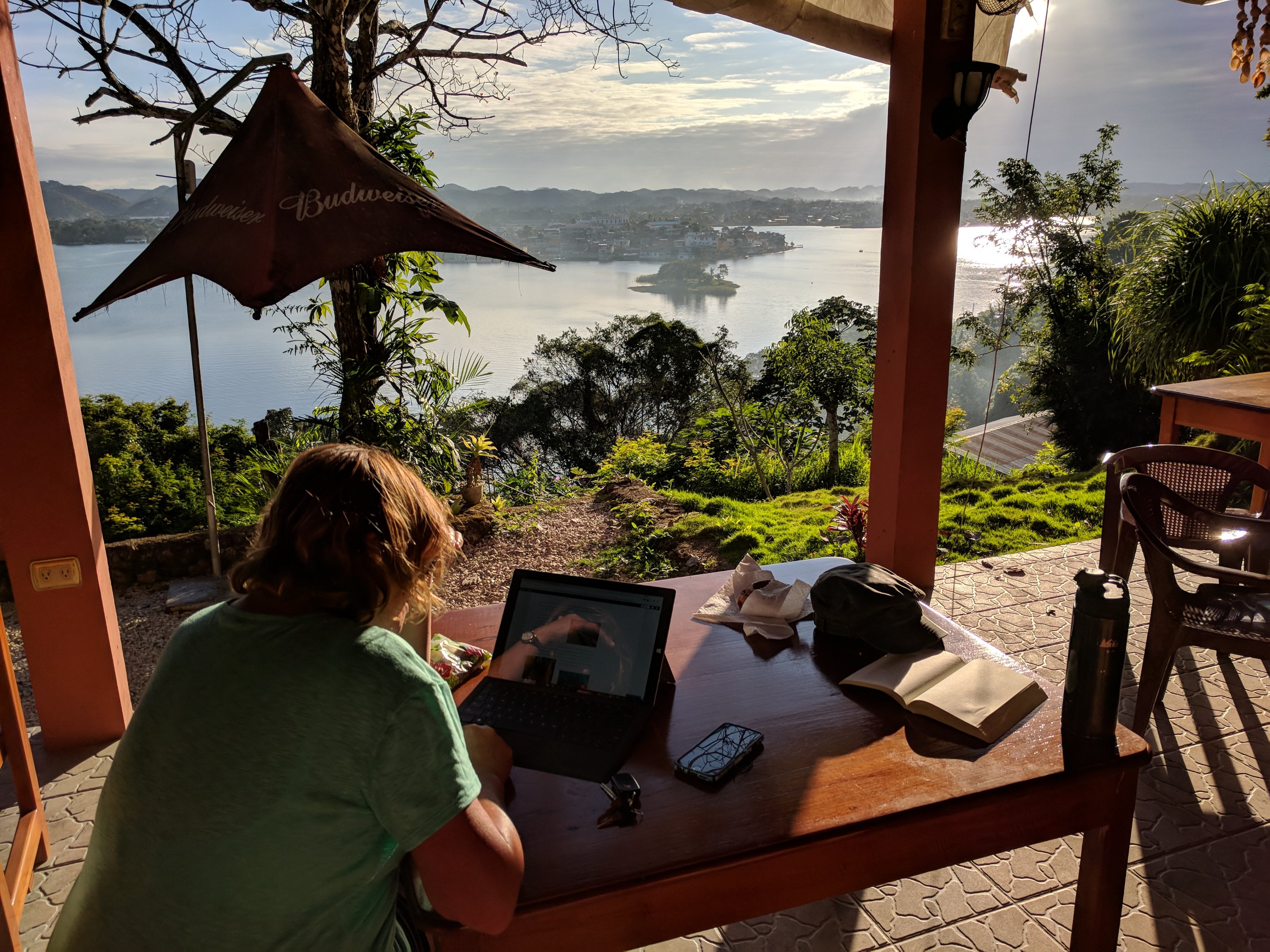
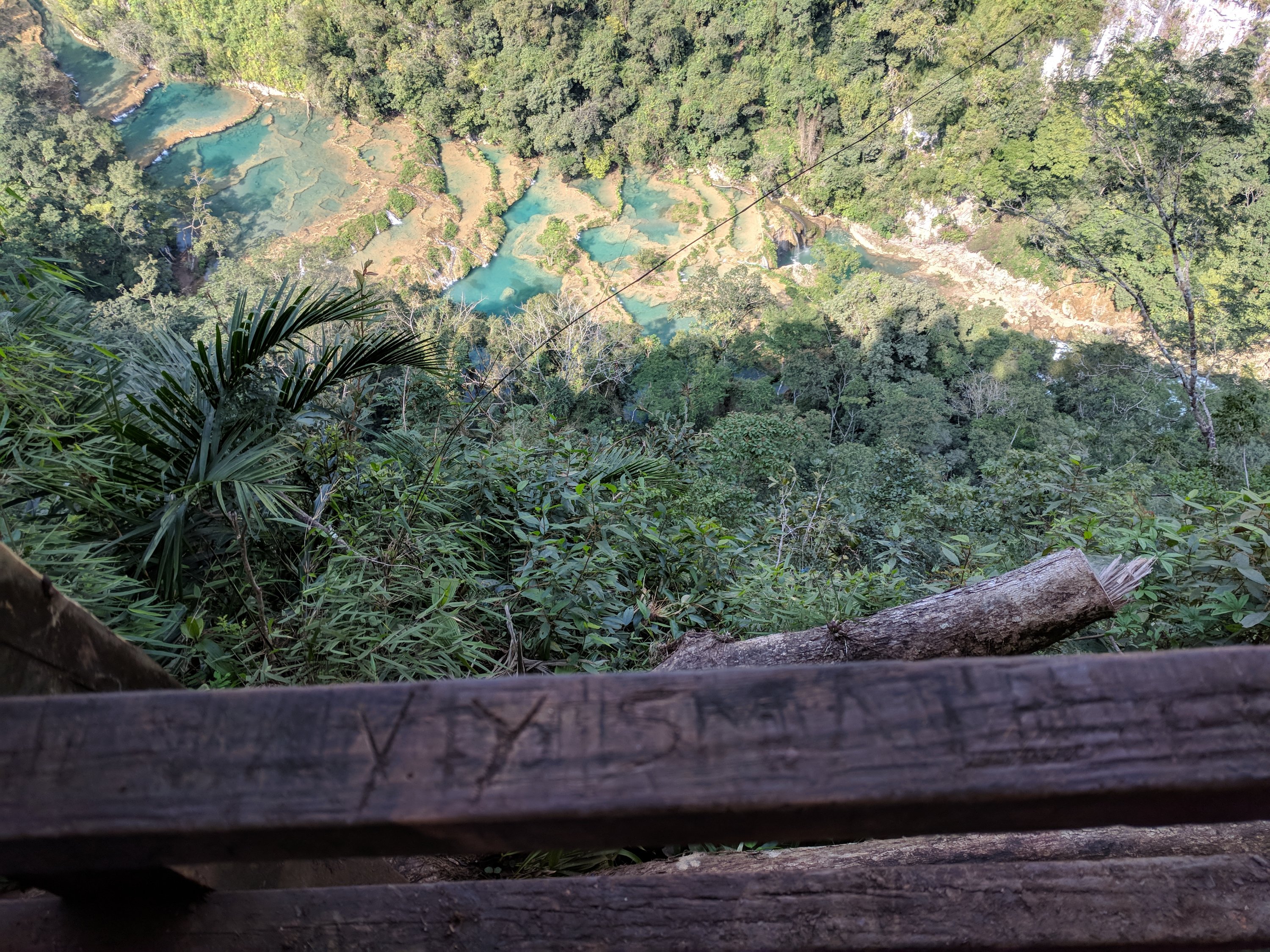
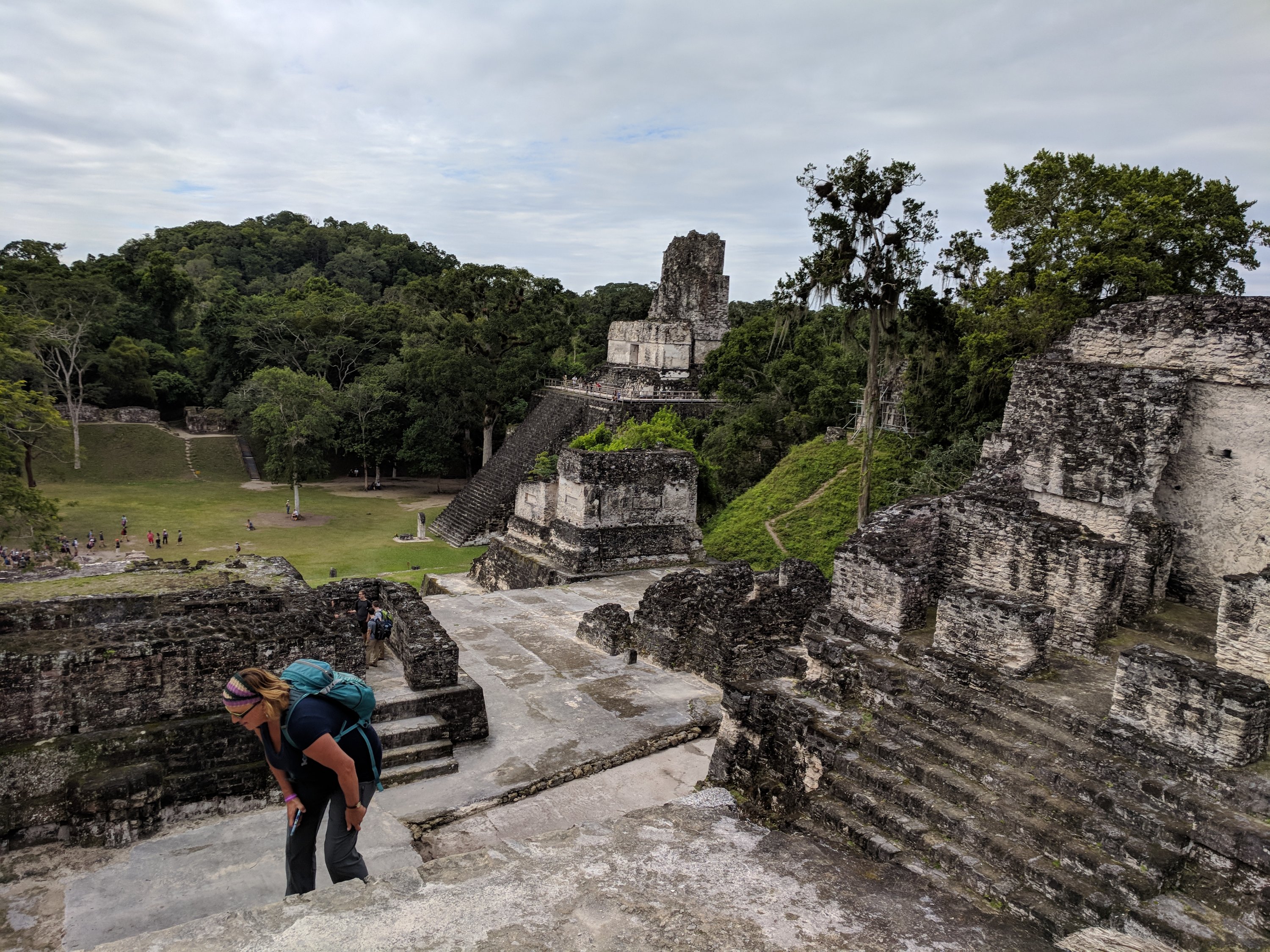 Now in the Coban area in the highlands, we visit the beautiful mountain town of Lanquin and the natural limestone pools in Semuc Champey. The roads become so steep and narrow ,that we also take a collectivo, small 4×4 trucks where you stand on the back in a metal cage to hold on for dear life.But what a reward , natural swimming pools and waterfalls along a deeply cut gorge.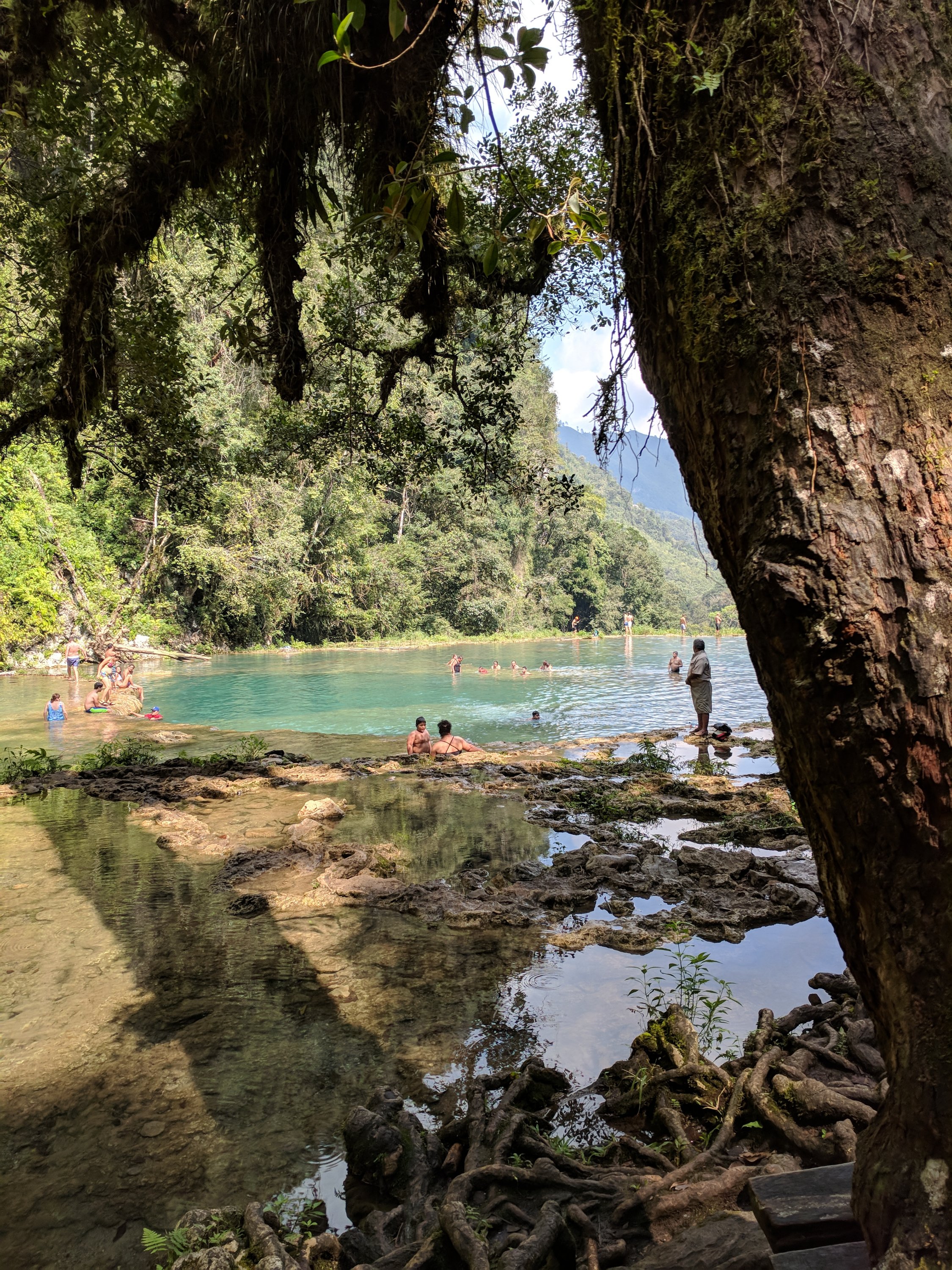
 We are exhausted every night from our adventures….all the impressions, nature and our attempts to have conversations in Spanish. Life is good!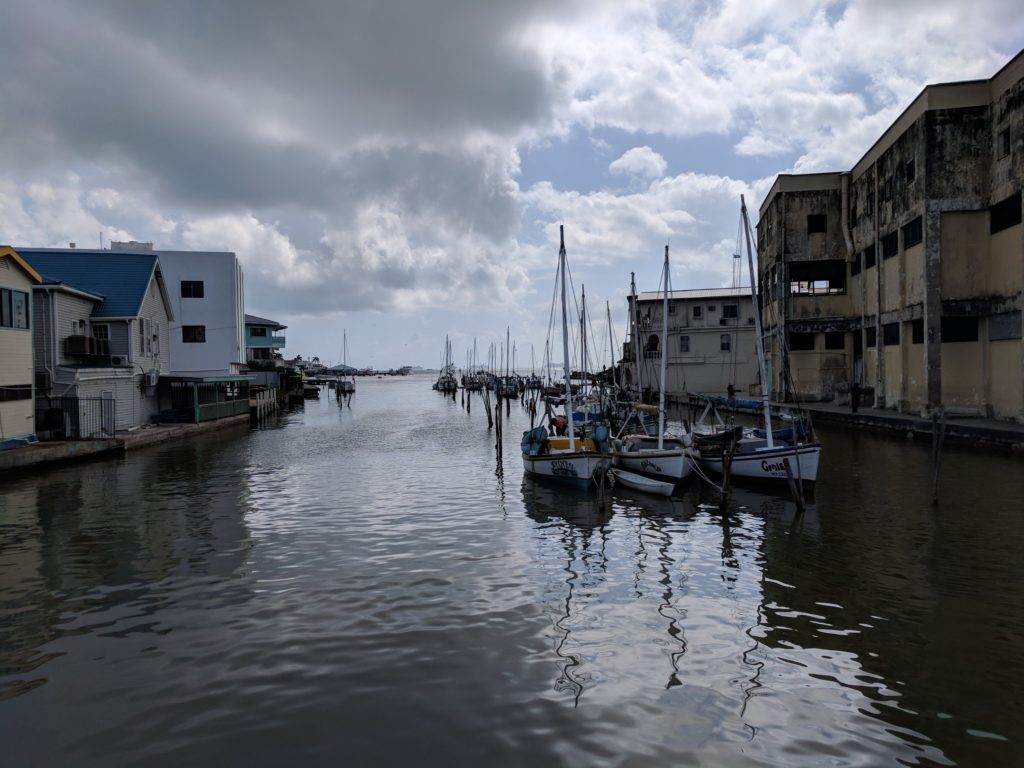
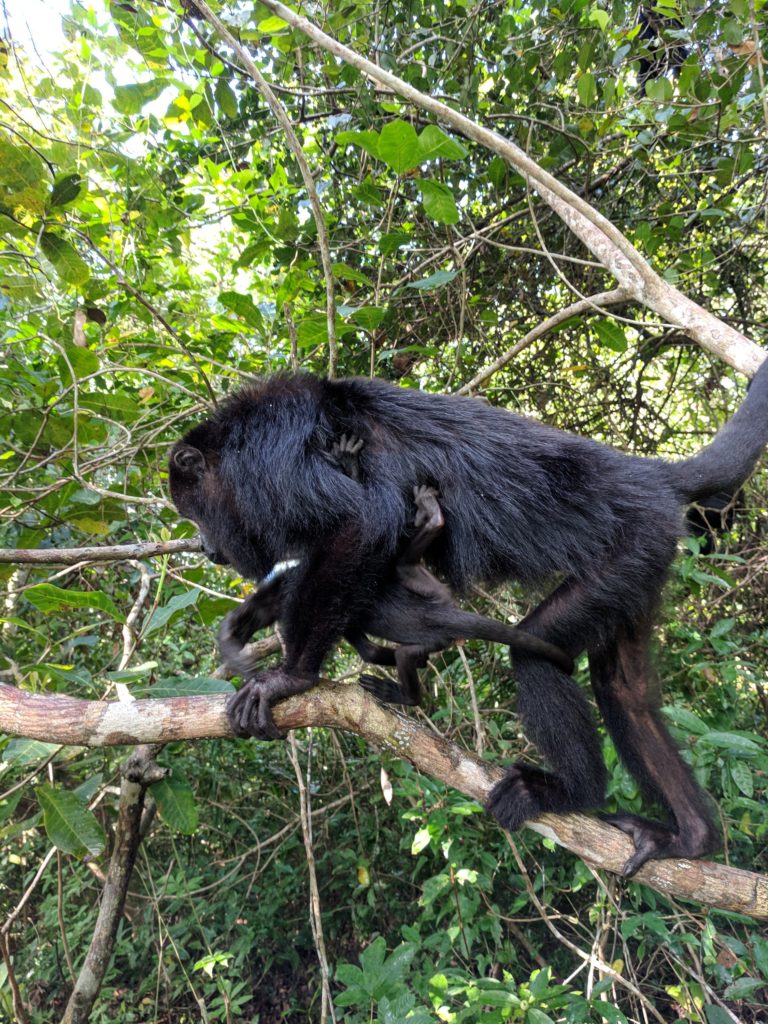
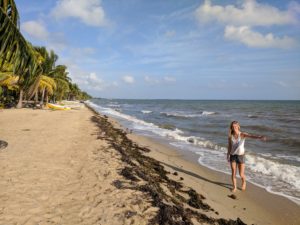
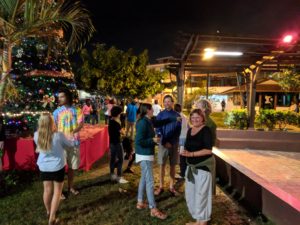
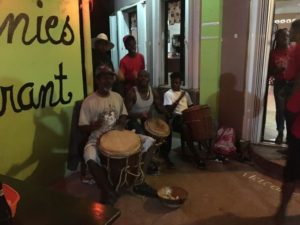 he village. The Garifuna drumming session we are invited too gets everyone dancing.
 Ignazio .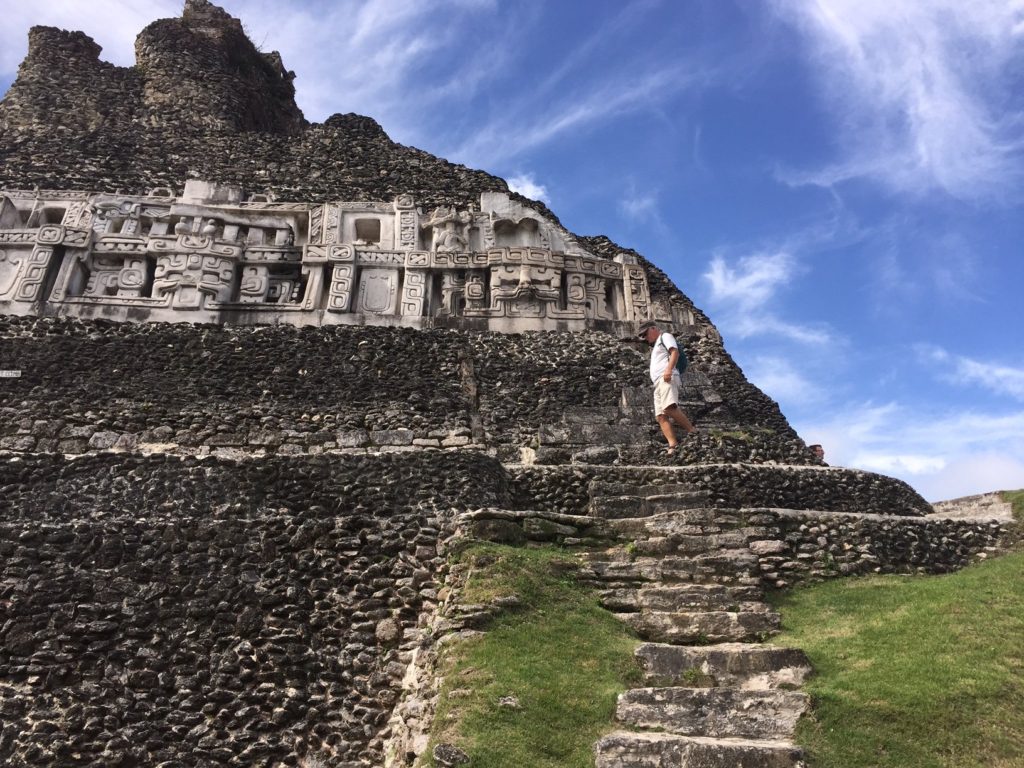
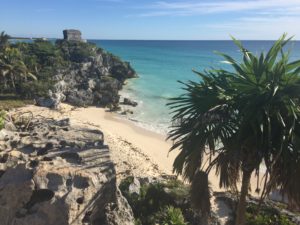 Its also one of the best preserved and some of the fresco details and colors are still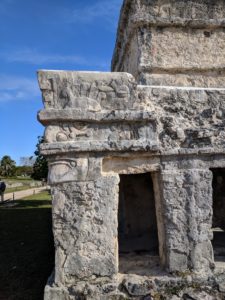
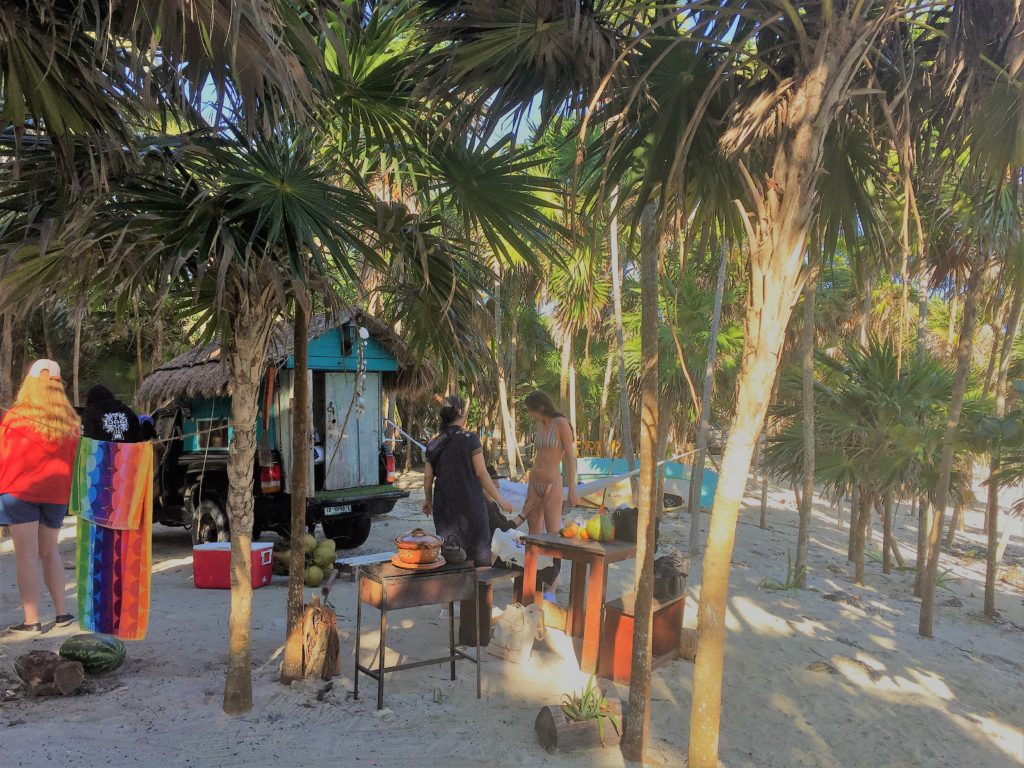
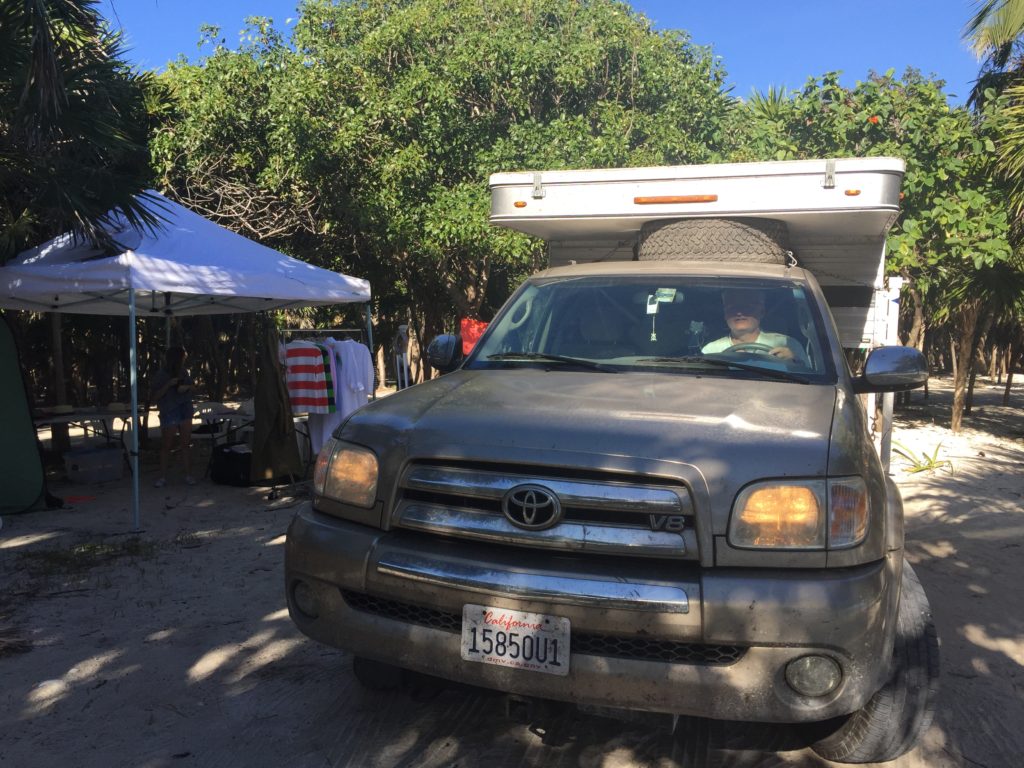
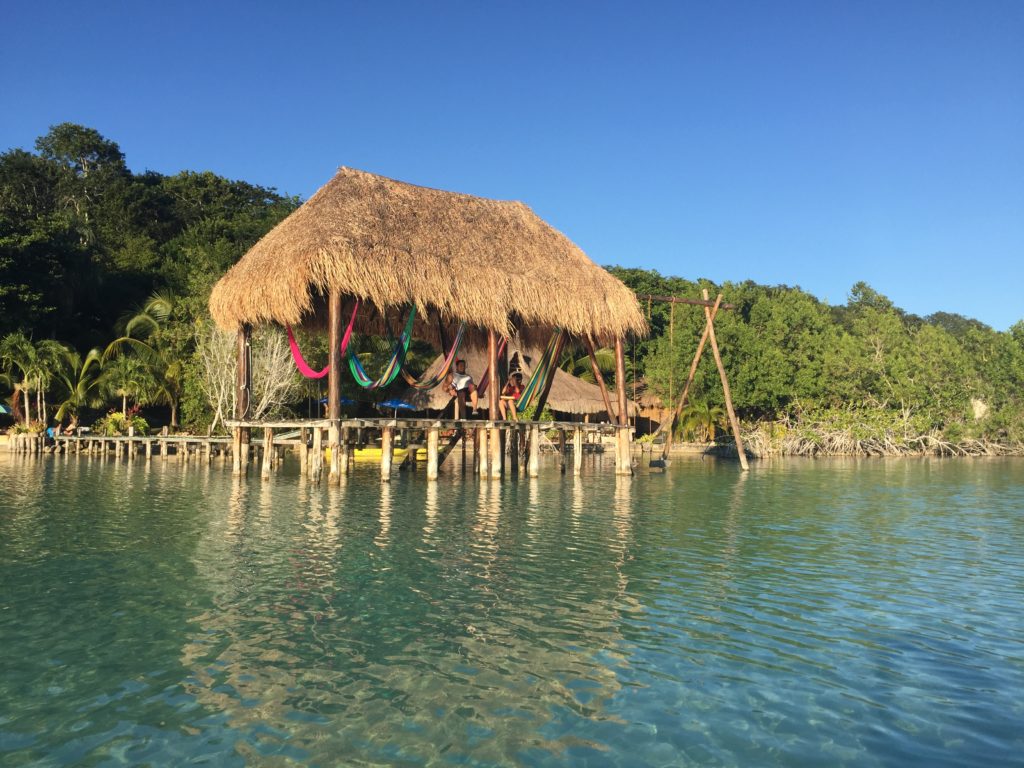
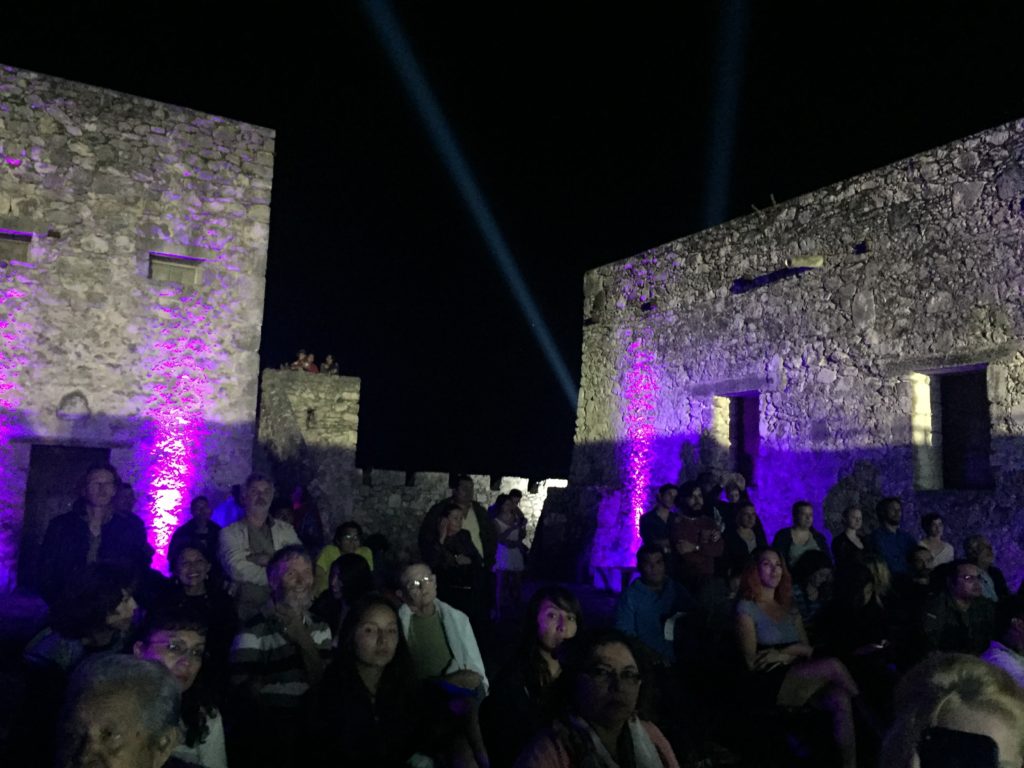
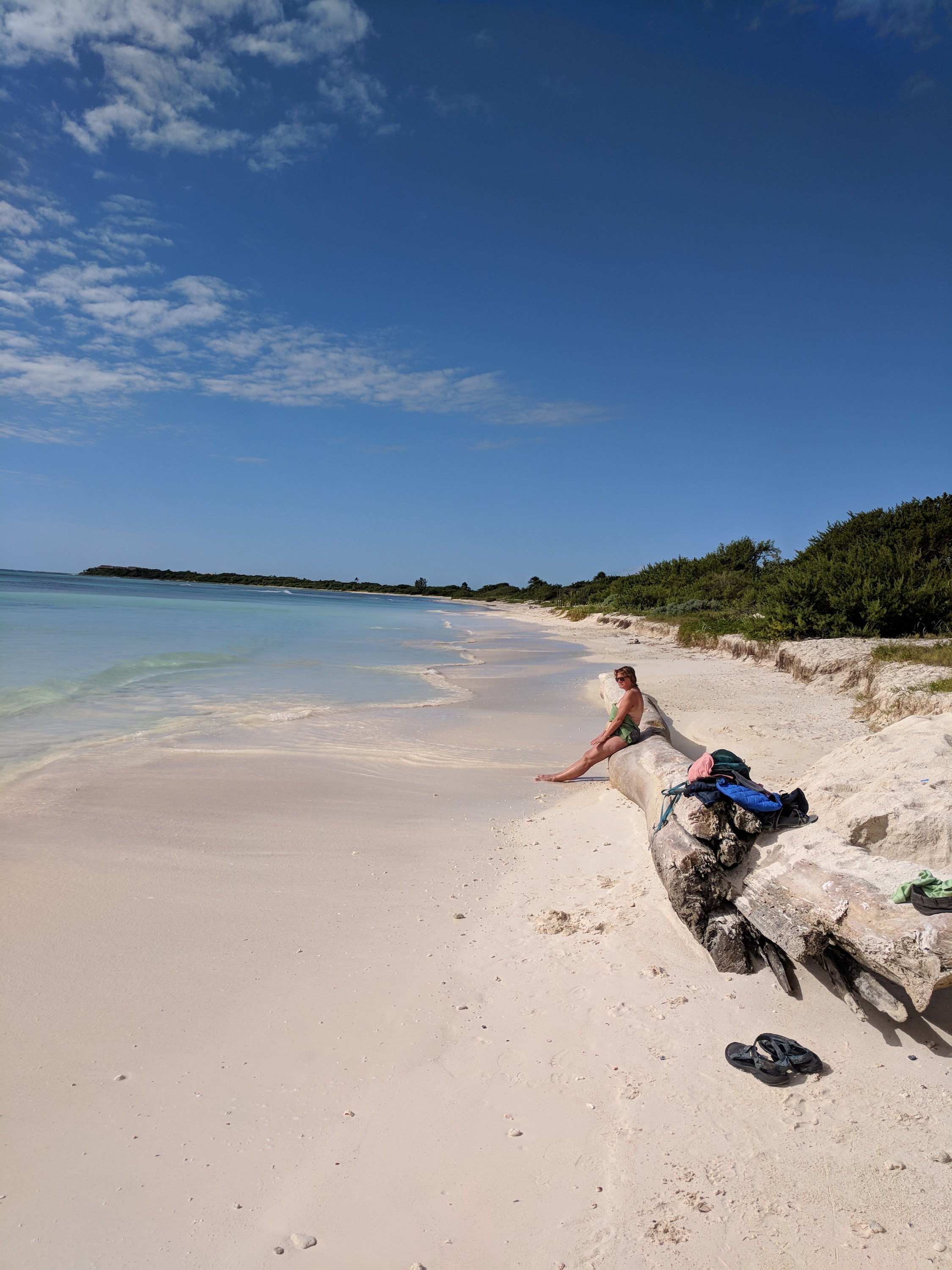


 Further inland there are many Cenotes , the underground water reservoirs that form naturally in the calcium based ground.


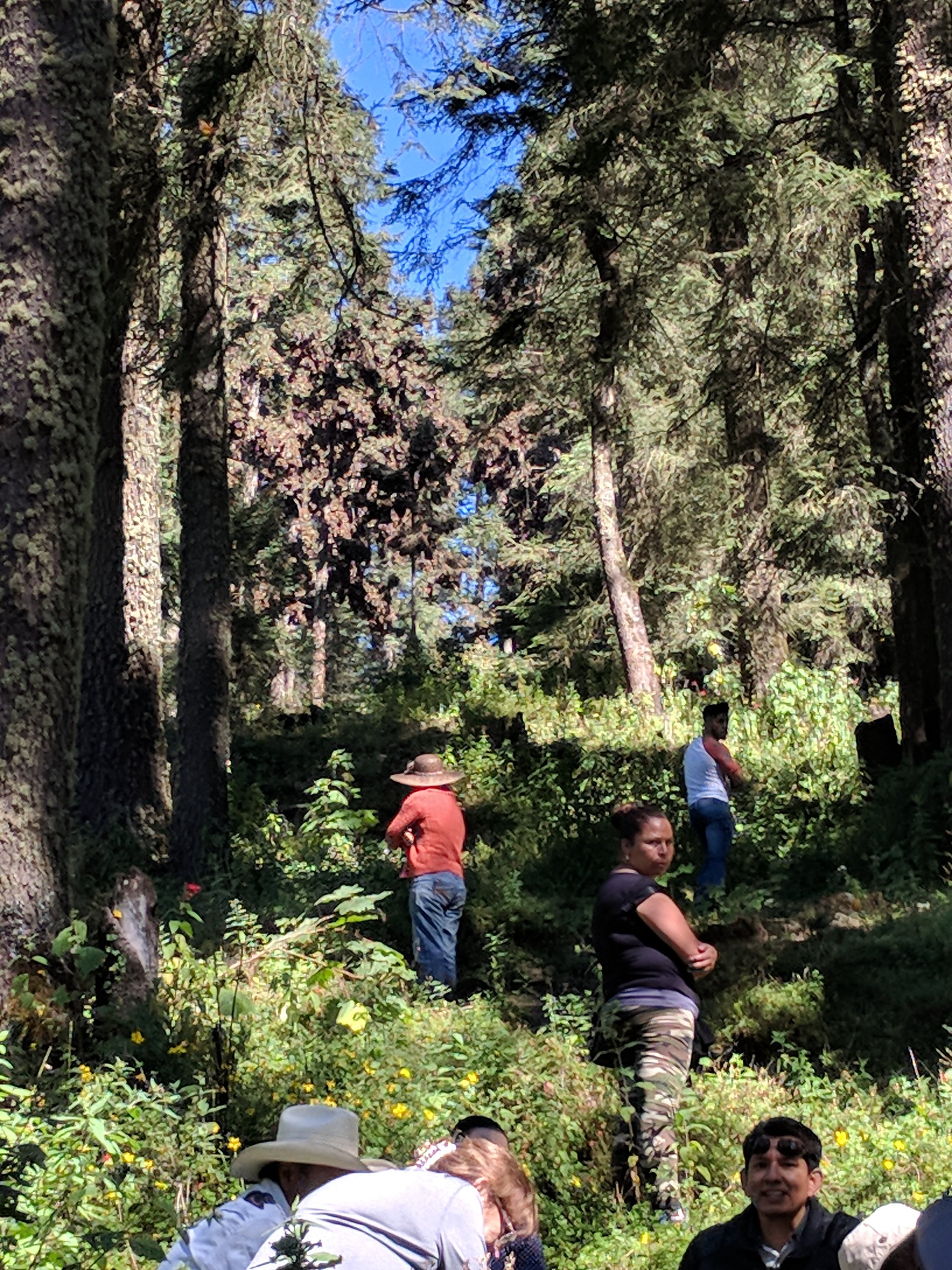

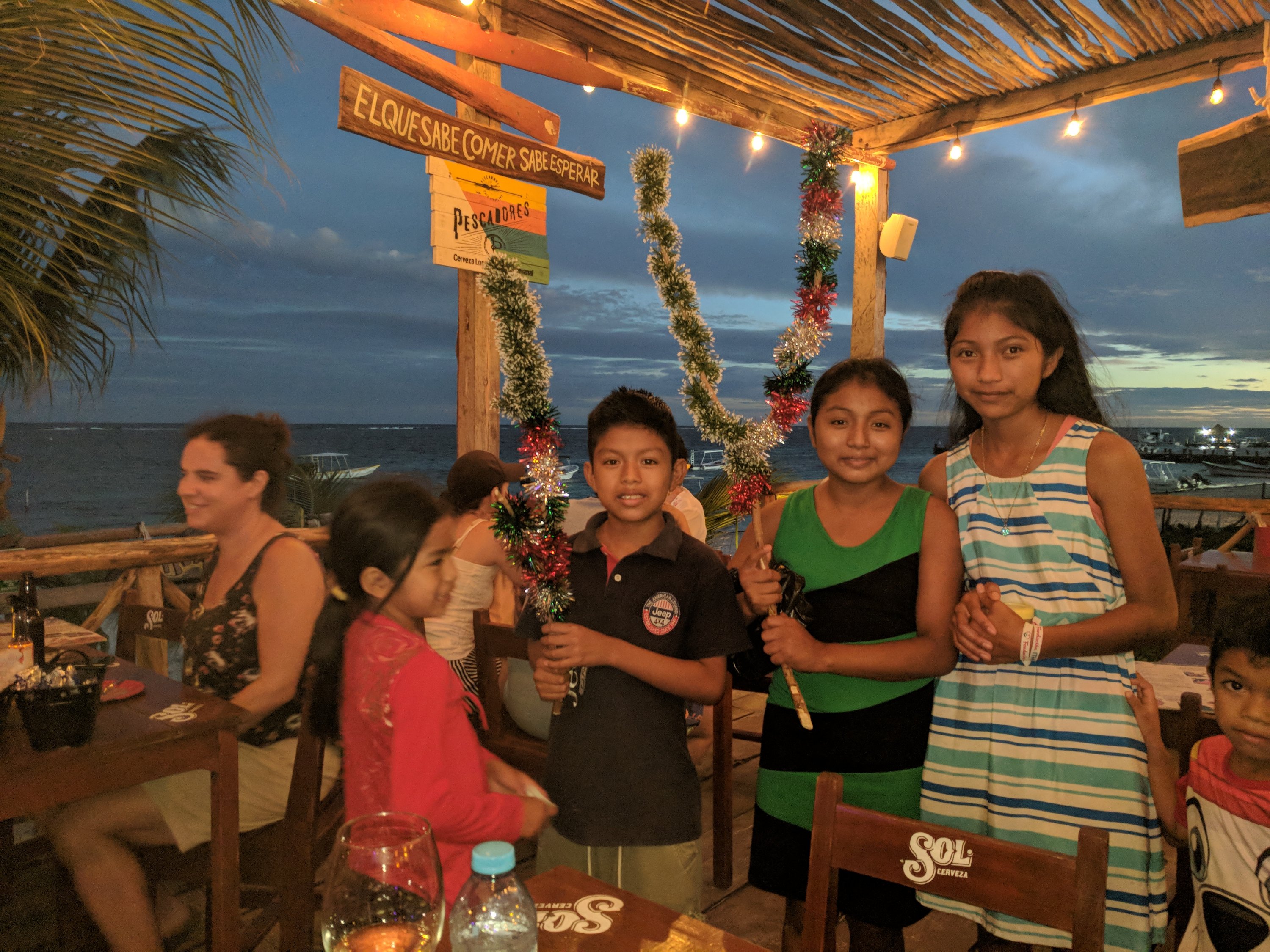
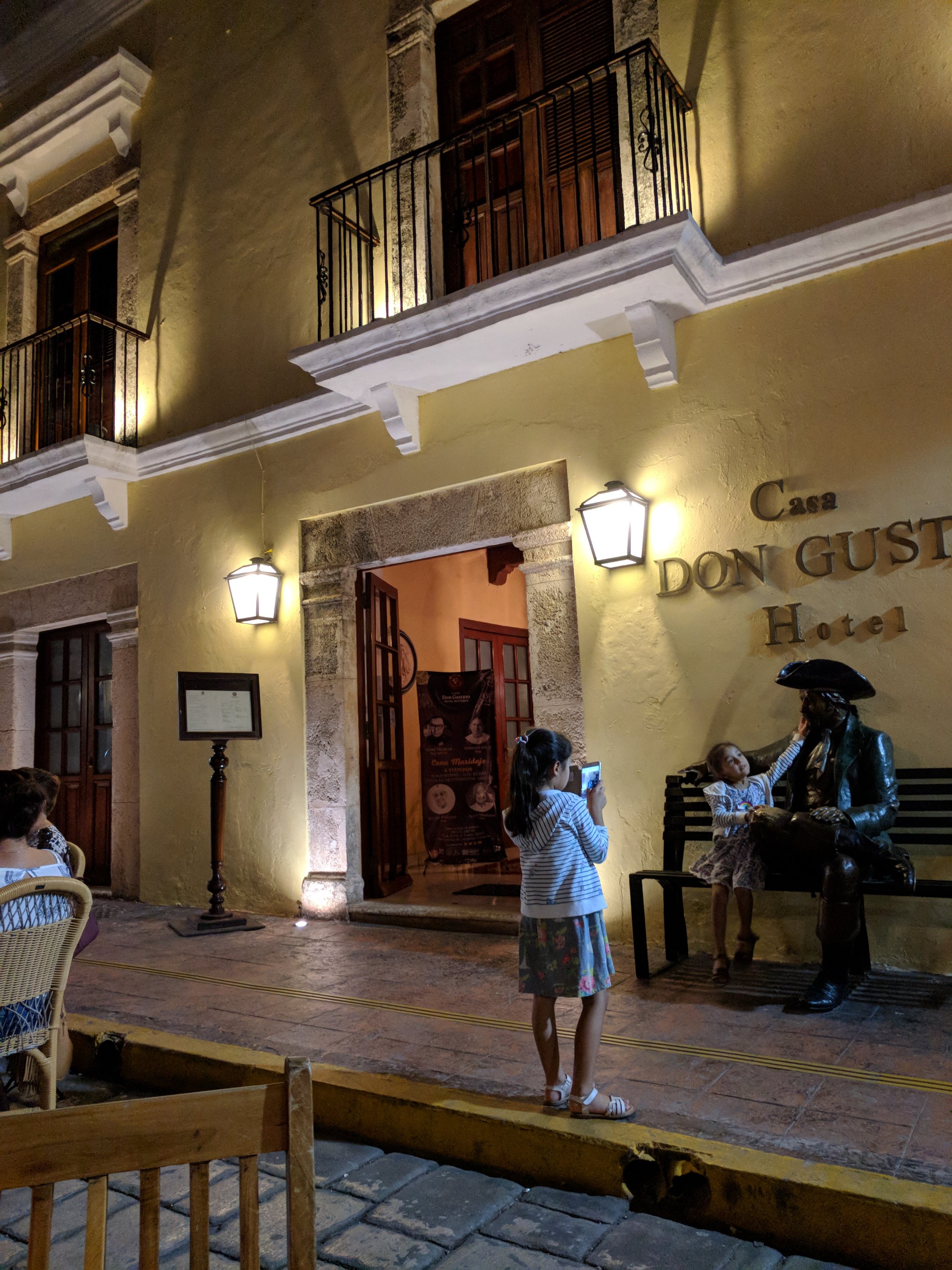
 Mexico is a really beautiful country, we both did not expect this green , lush multifaceted country, with smiling friendly people.
 The local Argentinian restaurant is a favorite for both groups.
  We even find an emerging cohousing group and got entuthiastically invited in by the resident owners. They have studied the cohousing project where we live in Nevada City and are eager to exchange experiences